
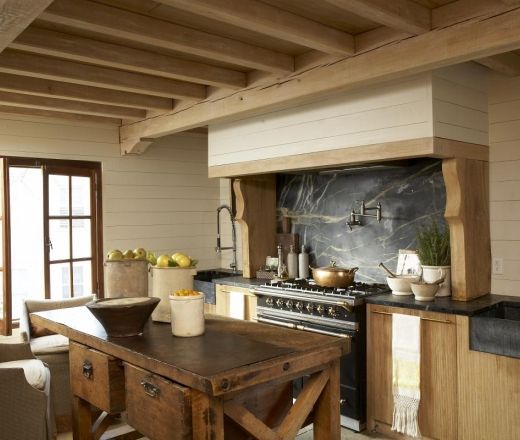
Our soapstone slabs are 3cm thick
and average 120”x 74” in sizes but we occasionally carry larger slabs. Our
soapstone sinks are farm sinks with either single bowl or double bowl or we can
customize triple bowl soapstone sinks as well upon requested.
and average 120”x 74” in sizes but we occasionally carry larger slabs. Our
soapstone sinks are farm sinks with either single bowl or double bowl or we can
customize triple bowl soapstone sinks as well upon requested.
Soapstone is a metamorphic rock,
which is mainly composed by the mineral Talc. What confuses many people is the
fact that there are two different materials popularly called soapstone:
which is mainly composed by the mineral Talc. What confuses many people is the
fact that there are two different materials popularly called soapstone:
The mineral Talc, softest mineral
on earth, is sometimes called soapstone. This mineral is mostly used for the
manufacture of cosmetics, refractory materials, sculptures, and many items we
use everyday, such as toothpaste, baby powder (talc + fragrance) and even
chewing gum.
on earth, is sometimes called soapstone. This mineral is mostly used for the
manufacture of cosmetics, refractory materials, sculptures, and many items we
use everyday, such as toothpaste, baby powder (talc + fragrance) and even
chewing gum.
The rock Steatite, also called soapstone,
is the material we use for our countertops, sinks, masonry heaters, flooring,
and many other architectural applications.
is the material we use for our countertops, sinks, masonry heaters, flooring,
and many other architectural applications.
Soapstone (Steatite) was also used to
“coat” the most famous structure in Brazil,
the large image of Jesus on top of the mountain overlooking the city of Rio De Janeiro. This rock
is composed of several minerals but the most abundant is Talc.
“coat” the most famous structure in Brazil,
the large image of Jesus on top of the mountain overlooking the city of Rio De Janeiro. This rock
is composed of several minerals but the most abundant is Talc.
Steatite is harder than Talc, the
reason why it is suitable for the applications cited above. This natural
quarried stone is softer than most other natural stones. Although a soft stone,
soapstone is a very dense (non porous) stone. Many people wrongly associate
softness with porosity, soapstone is denser than marble, slate, limestone and
even granite. Because soapstone is so dense, it will not stain, in other words
if anything is spilled on the stone, it will stay only on the surface and will
not penetrate the stone. Other natural stones, including granite, if not
properly sealed will stain. Soapstone is widely used in chemistry lab tops and acid
rooms due to its density.
reason why it is suitable for the applications cited above. This natural
quarried stone is softer than most other natural stones. Although a soft stone,
soapstone is a very dense (non porous) stone. Many people wrongly associate
softness with porosity, soapstone is denser than marble, slate, limestone and
even granite. Because soapstone is so dense, it will not stain, in other words
if anything is spilled on the stone, it will stay only on the surface and will
not penetrate the stone. Other natural stones, including granite, if not
properly sealed will stain. Soapstone is widely used in chemistry lab tops and acid
rooms due to its density.
Maintenance: The only maintenance
required for soapstone, is the application of mineral oil, to enhance the
natural darkening process the stone goes through. Soapstone (Steatite) in its
natural state only comes in shades of gray, unlike Talc, which comes in a
variety of colors. Once mineral oil is applied, the stone will turn into a very
dark charcoal gray, and in a short period of time, it will turn black. Some
varieties of soapstone will keep a hint of green.
required for soapstone, is the application of mineral oil, to enhance the
natural darkening process the stone goes through. Soapstone (Steatite) in its
natural state only comes in shades of gray, unlike Talc, which comes in a
variety of colors. Once mineral oil is applied, the stone will turn into a very
dark charcoal gray, and in a short period of time, it will turn black. Some
varieties of soapstone will keep a hint of green.
Also used in the construction of
masonry heaters, due to its excellent thermal qualities, soapstone is virtually
heat proof. It is also used as pizza stones, cooking pots, inside bake ovens
and many other related applications. You can take a pot right from your stove,
and place it on your soapstone countertops and it will not harm it. In Nordic countries these particular
qualities were discovered many decades ago. Its excellent heat-storage and
heat-conductivity destine the soapstone, like no other material, for stove building.
The air remains clean, the floor and the walls are comfortably warm and the
humidity in the air remains stable. The healthy radiating warmth has a
favorable influence on the human organism, something doctors and biologists
repeatedly point out.
masonry heaters, due to its excellent thermal qualities, soapstone is virtually
heat proof. It is also used as pizza stones, cooking pots, inside bake ovens
and many other related applications. You can take a pot right from your stove,
and place it on your soapstone countertops and it will not harm it. In Nordic countries these particular
qualities were discovered many decades ago. Its excellent heat-storage and
heat-conductivity destine the soapstone, like no other material, for stove building.
The air remains clean, the floor and the walls are comfortably warm and the
humidity in the air remains stable. The healthy radiating warmth has a
favorable influence on the human organism, something doctors and biologists
repeatedly point out.